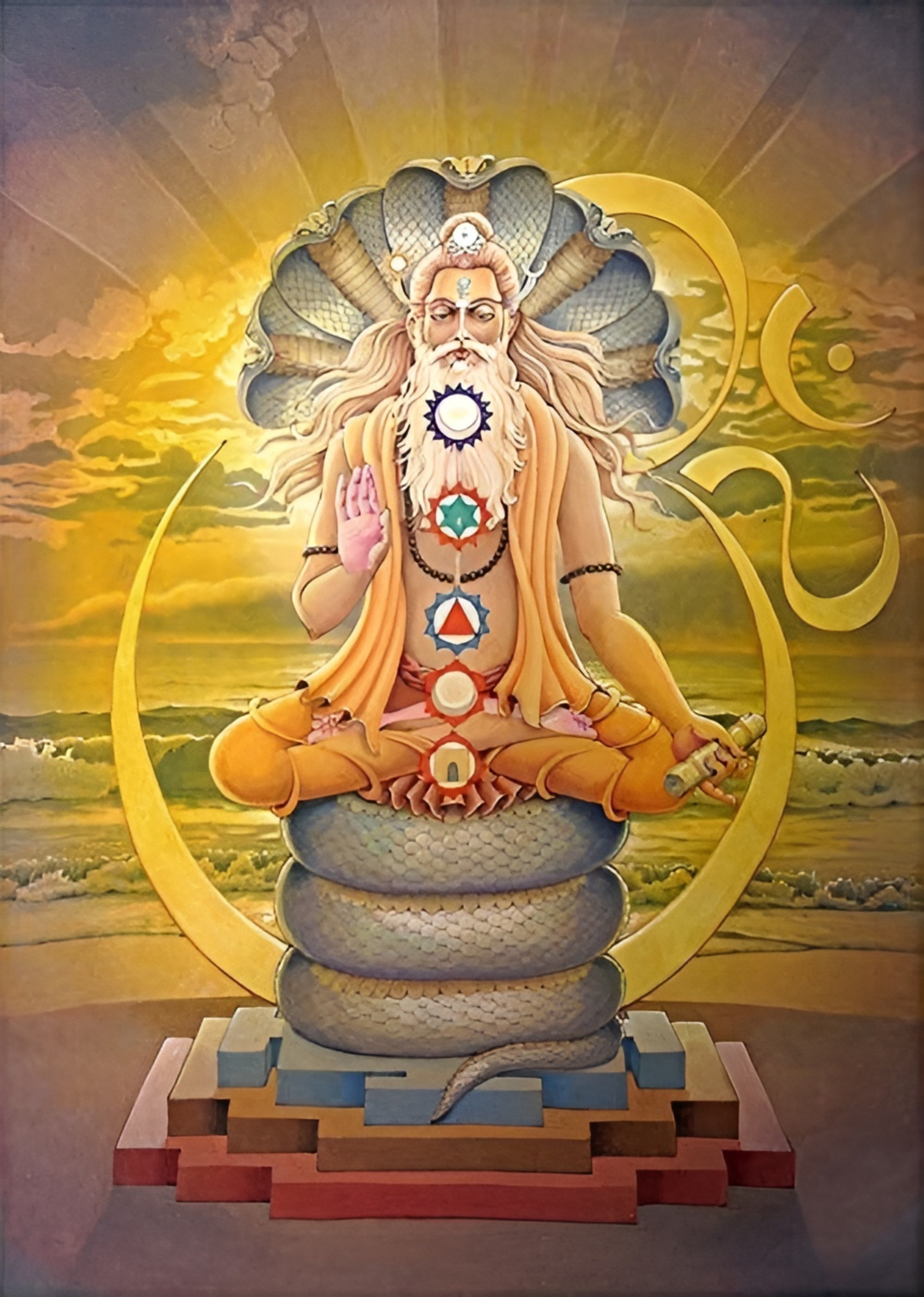
Seeing Beyond the Veil of Identification
Patanjali's assertion that "At other times, the seer is identified with the modifications" invites us to reflect on the profound relationship between our perception and the fluctuations of the mind. This statement underscores a critical aspect of human experience: the tendency to conflate our true essence with the transient thoughts and emotions that arise within us. Recognizing this identification is not merely an intellectual exercise; it is a gateway to deeper self-awareness and liberation from the cycles of suffering that arise from misidentification.
In a world where external stimuli constantly vie for our attention, the challenge of discerning the seer from the modifications becomes increasingly relevant. The modifications of the mind—thoughts, feelings, and perceptions—can easily lead us astray, creating a false sense of self that is contingent upon external circumstances. Patanjali's insight serves as a reminder that true wisdom lies in recognizing the distinction between the observer and the observed, a realization that can lead to profound inner peace and clarity.
The image / the metaphor
The imagery in Patanjali's quote evokes a dynamic interplay between the seer and the modifications, suggesting a dance of consciousness that is both intricate and delicate. The term "seer" refers to the pure awareness that exists within each of us, while "modifications" denote the ever-changing landscape of thoughts and emotions that can cloud this awareness. The verbs chosen—"identified" and "modifications"—imply a fluidity, a constant shifting that characterizes our mental landscape, where the seer can become entangled in the very fabric of thought.
Diving deeper into this metaphor, we can envision the mind as a vast ocean, with the seer as the tranquil depth beneath the surface waves. The modifications are akin to the waves that rise and fall, sometimes tumultuous and other times serene. When we identify with these waves, we lose sight of the stillness that lies beneath, becoming swept away by the currents of our thoughts. This metaphor serves as a poignant reminder that our true nature is not defined by the fluctuations of the mind, but rather by the unchanging awareness that observes them.
In the speaker's tradition
Patanjali's teachings are rooted in the ancient tradition of yoga, which emphasizes the importance of self-realization and the understanding of one's true nature. Central to this tradition is the concept of dharma, or one's rightful path, which is often obscured by the modifications of the mind. The practice of yoga invites us to cultivate a state of kenosis, or self-emptying, allowing us to release our attachments to these mental fluctuations and reconnect with our authentic selves. This journey toward self-awareness is echoed in other spiritual traditions, such as the Buddhist concept of sunyata, or emptiness, which encourages a similar detachment from the ego and its myriad identifications.
In the Yoga Sutras, Patanjali elaborates on the nature of the mind and its modifications, emphasizing the importance of discernment (viveka) in navigating the complexities of our inner world. This discernment is akin to the practice of prajna, or wisdom, which enables us to see beyond the surface of our thoughts and emotions. By cultivating this wisdom, we can begin to disentangle ourselves from the modifications that obscure our true nature, allowing the seer to emerge in its full clarity.
Living the teaching
Consider a modern scenario where this teaching resonates: a person finds themselves overwhelmed by anxiety during a challenging work project. In this moment, the individual may identify entirely with their anxious thoughts, believing that they are defined by their stress and pressure. However, by applying Patanjali's insight, they can take a step back and recognize that these thoughts are merely modifications of the mind, not the essence of who they are. This shift in perspective allows them to cultivate a sense of calm, enabling them to approach the project with clarity and focus.
In relationships, this teaching can manifest during moments of conflict. When disagreements arise, it is easy to become entangled in the emotional modifications—anger, frustration, or hurt—that cloud our perception. By remembering Patanjali's wisdom, we can pause and recognize that these emotions do not define us. Instead, we can choose to engage from a place of awareness, allowing the seer within to guide our responses and foster deeper understanding and connection with others.
A reflection
As we contemplate Patanjali's profound insight, we are invited to ask ourselves: In what ways do I identify with the modifications of my mind, and how can I cultivate a deeper awareness of the seer within? This question encourages us to explore the layers of our own consciousness, seeking to understand the interplay between our thoughts and our true essence. By engaging with this inquiry, we can begin to unravel the complexities of our identification, ultimately leading us toward a more authentic and liberated way of being.





Join the BrightStar Community
Stay connected with daily inspiration, event announcements, and community wisdom